Concealed carry in Kansas
Kansas lets adults carry a concealed handgun without a license and still offers a license for people who want one. This guide explains both and how to pick a carry pistol. It reflects the law in September 2026 and is not legal advice.
Permitless carry
Since July 1, 2015, a person who is 21 or older and not prohibited from possessing a firearm may carry a concealed handgun in Kansas without a license. There is no training requirement for permitless carry, but training is still the best way to carry safely and to understand when force is justified.
The Kansas concealed carry license
The license is issued by the Kansas Attorney General; you apply through the sheriff of the county where you live, who takes your fingerprints and application. It is worth getting because more states honor it than honor permitless carry, and because it lets adults aged 18 to 20 carry concealed in Kansas. Applicants complete an approved training course. The license is valid for four years; check the Attorney General's concealed carry page for the current fee and course requirements.
Where you cannot carry
Kansas uses one approved sign. A public building or private business that wants to ban concealed carry must post it at the entrance; carrying past a posted sign can lead to a trespass charge. Some public buildings may only ban carry if they provide adequate security measures, such as metal detectors and guards. Federal buildings and post offices are off limits under federal law. Carry in schools and on college campuses follows separate rules; check before you go.
Choosing a carry pistol
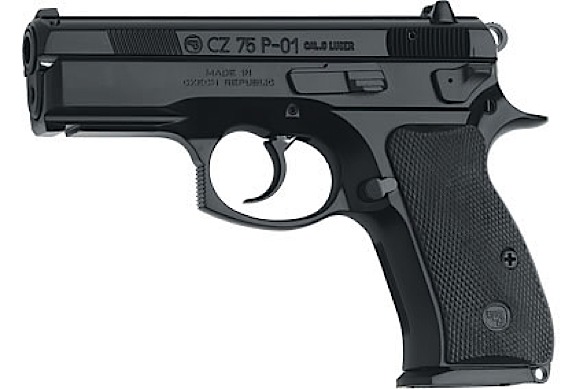
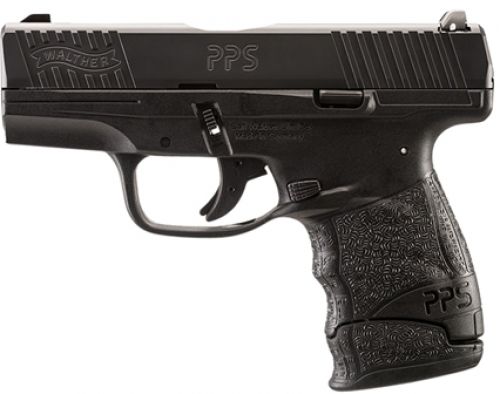
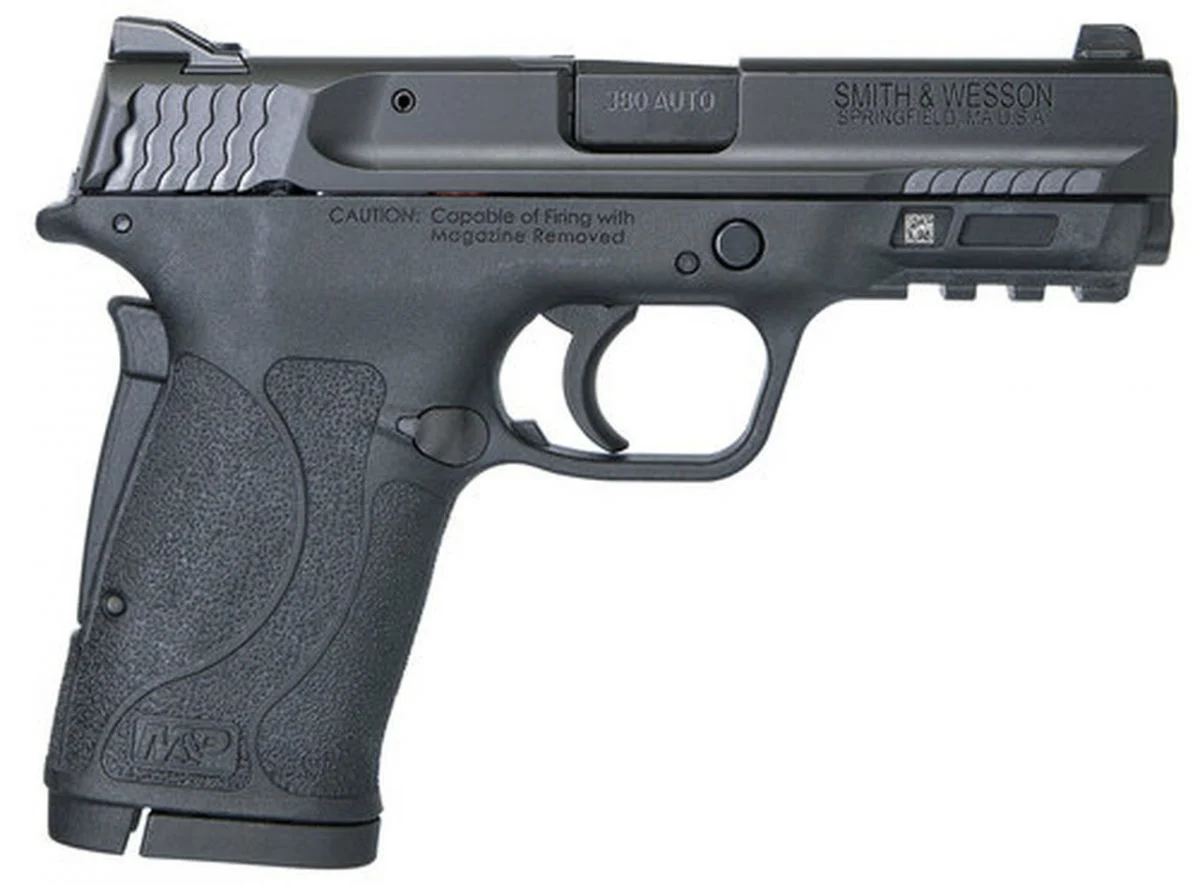
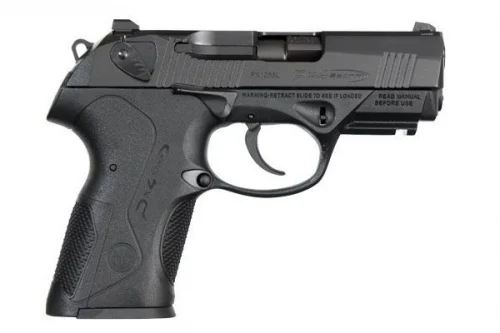
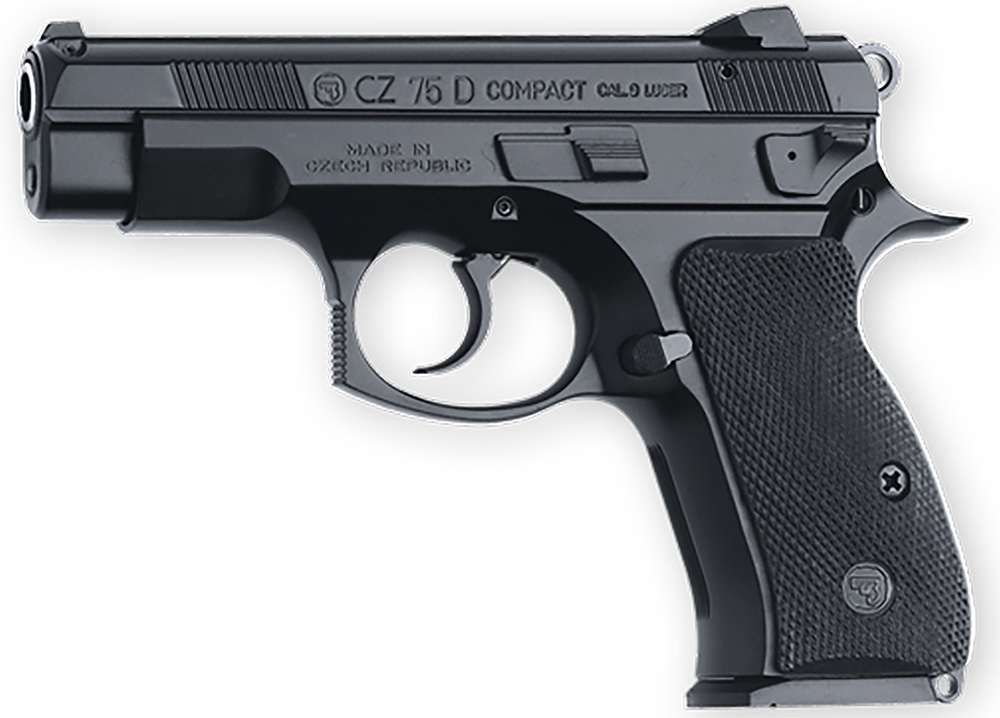
For daily carry, most people choose a compact or subcompact 9mm. Popular choices include the SIG P365 family, Glock 19, 43X and 48, Springfield Hellcat, Smith and Wesson Shield Plus and CZ P-10 S and P-10 C. A larger pistol-caliber gun such as the Scorpion EVO 3 S1 pistol is a great range and home gun, but it is not a concealed carry pistol.
- Grip: you should hold the gun high on the backstrap and reach the trigger without shifting.
- Capacity: 10 to 15 rounds is typical for modern compacts.
- Sights: night sights or an optic cut help in low light.
- Holster: choose a rigid holster that covers the trigger guard.
Reciprocity and travel
Missouri, Oklahoma, Nebraska and Colorado recognize Kansas licenses in some form, but each has its own rules on where you can carry and, for Colorado, magazine size. Check each state's current reciprocity list before a trip.
Use of force
Kansas has a stand-your-ground law and a castle doctrine, but every self-defense case is judged on its facts. A good class covers when force is justified and what to do afterward.
Shop pistols or read our Kansas gun law overview.
General information, not legal advice. Current as of September 2026. Laws change; check the official source before you act.